Pediatric Rehabilitation
The National Children's Medical Center's core specialty in pediatric rehabilitation, a flagship department of integrated traditional Chinese and Western medicine in Beijing, and aligned with the International Federation of Pediatric Rehabilitation Medicine (ICF-CY) pediatric rehabilitation system, is a comprehensive treatment center in China for pediatric brain injury, developmental disorders, rare neuromuscular diseases, and complex cases of adolescent scoliosis.
Historical Origins and Spiritual Inheritance:
The Department of Rehabilitation was formerly affiliated with the Neurological Rehabilitation Center of Beijing Children's Hospital, and was officially established as an independent department in January 2014. Leveraging the platform advantage of Beijing Children's Hospital as a National Children's Medical Center (approved in 2017), the department has gradually built a pediatric rehabilitation discipline system that integrates traditional Chinese and Western medicine, combines medical education, and integrates medicine and engineering. The first department director, Professor Lü Zhongli, graduated from the Department of Acupuncture and Moxibustion at Beijing University of Traditional Chinese Medicine in 1988. He has been engaged in pediatric acupuncture and moxibustion for 26 years and is a director of the Beijing Acupuncture and Moxibustion Society, a standing director of the Beijing Rehabilitation Society, and a standing member of the Pediatric Rehabilitation Professional Committee of the Rehabilitation Medicine Branch of the Chinese Medical Association. He laid the foundation for the department's discipline with "acupuncture and moxibustion as the foundation, and integration of traditional Chinese and Western medicine."
Core business operational efficiency:
The department offers comprehensive rehabilitation services for multiple disciplines, serving patients from neurology, neurosurgery, orthopedics, ophthalmology, otolaryngology, dermatology, as well as those with hemophilia and rheumatism requiring rehabilitation. Rehabilitation treatments encompass modern programs such as physical therapy (PT), occupational therapy (OT), hydrotherapy (HT), speech-language therapy (ST), sensory integration training, wax therapy, muscle stimulation therapy, brain loop therapy, biofeedback therapy, orthopedic braces, and special education, while also integrating traditional rehabilitation programs such as acupuncture and massage. In 2016, a pediatric lower limb gait rehabilitation system was purchased, utilizing suspension weight reduction, a treadmill, and a lower limb exoskeleton to provide professional walking training. More than 500 people have completed lower limb walking training sessions. In May 2022, a lower limb exoskeleton robot was introduced to achieve high-intensity, repetitive, and scientific gait training.
Discipline Positioning and Benchmarking:
As a flagship department of integrated traditional Chinese and Western medicine at the Beijing municipal level, relying on the platforms of the National Children's Medical Center and the School of Pediatrics of Capital Medical University, it undertakes clinical, teaching, and research tasks in pediatric rehabilitation. Zhang Guojun, Secretary of the Party Committee and Director of the Neurological Center of Beijing Children's Hospital, pointed out at the 2025 Brain Health Conference that significant progress has been made in research on pediatric brain function reconstruction: neuromodulation intervention methods are becoming increasingly diverse, biological neurofeedback interventions are becoming more varied, and the exploration and practice of artificial intelligence and human-computer interaction in this field are constantly deepening. The department is jointly developing a robot for the rehabilitation and treatment of children with autism, which can collect data on the child's facial expressions, eye contact, and language in real time, and guide them in social practice through human-computer interaction.
Hospital Specialists
8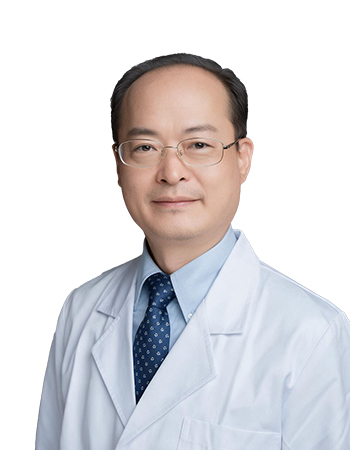 Huang Guoying
Chief Physician, Professor, Doctoral Supervisor, former Director of the Children's Hospital, and Academic Leader of the Cardiovascular Center
↗
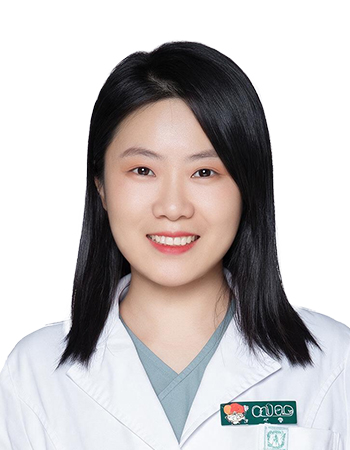 Liu Wei
Associate Chief Physician, PhD
↗
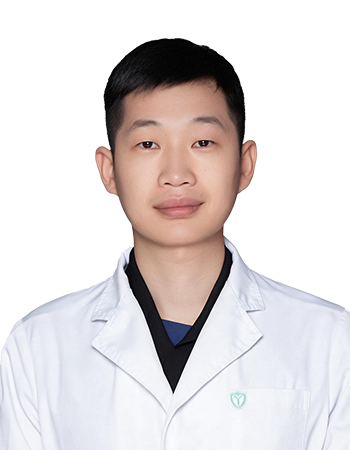 Ma Jianqiang
Chief Physician, Head of Physician Group
↗
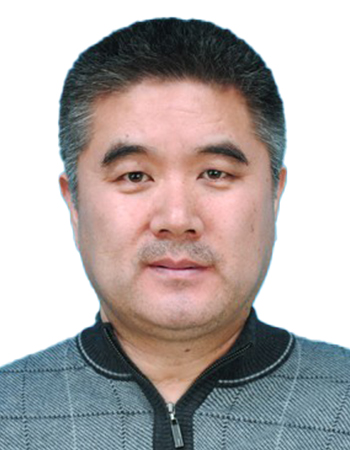 Lü Zhongli
Professor – Head of Rehabilitation Department, specializing in pediatric acupuncture and massage and neurorehabilitation
↗
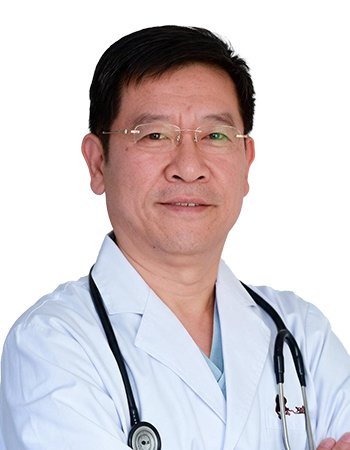 Du Zhongdong
Chief Physician, Professor, Doctoral Supervisor, former Director of the Scientific Research Department, and Director of the Key Laboratory of Major Pediatric Diseases of the Ministry of Education.
↗
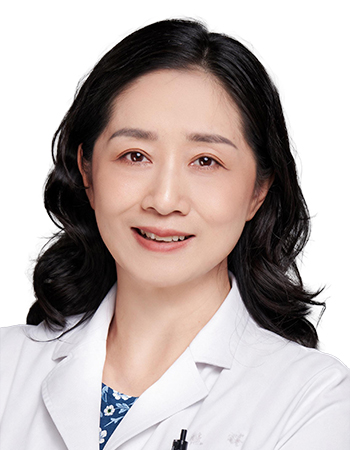 Xiong Hui
Director of Neurology, MD, Professor, Chief Physician, Doctoral Supervisor.
↗
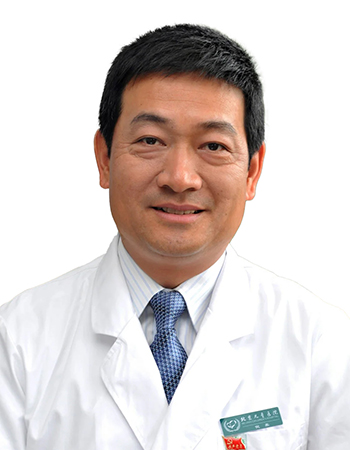 Ni Xin
Chief Physician, Dr., Doctoral Supervisor, Beijing Scholar, recipient of the first "National Outstanding Physician" title, expert enjoying special government allowances
↗
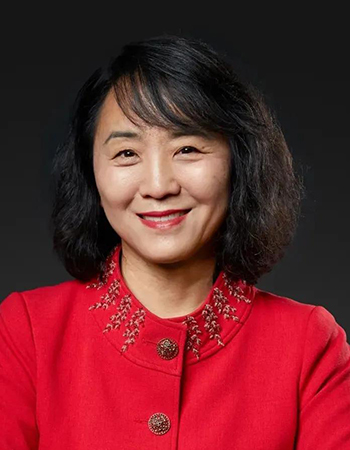 Shen Kunling
Doctor of Medicine, Dr., Doctoral Supervisor, and renowned expert.
↗