
Hematology
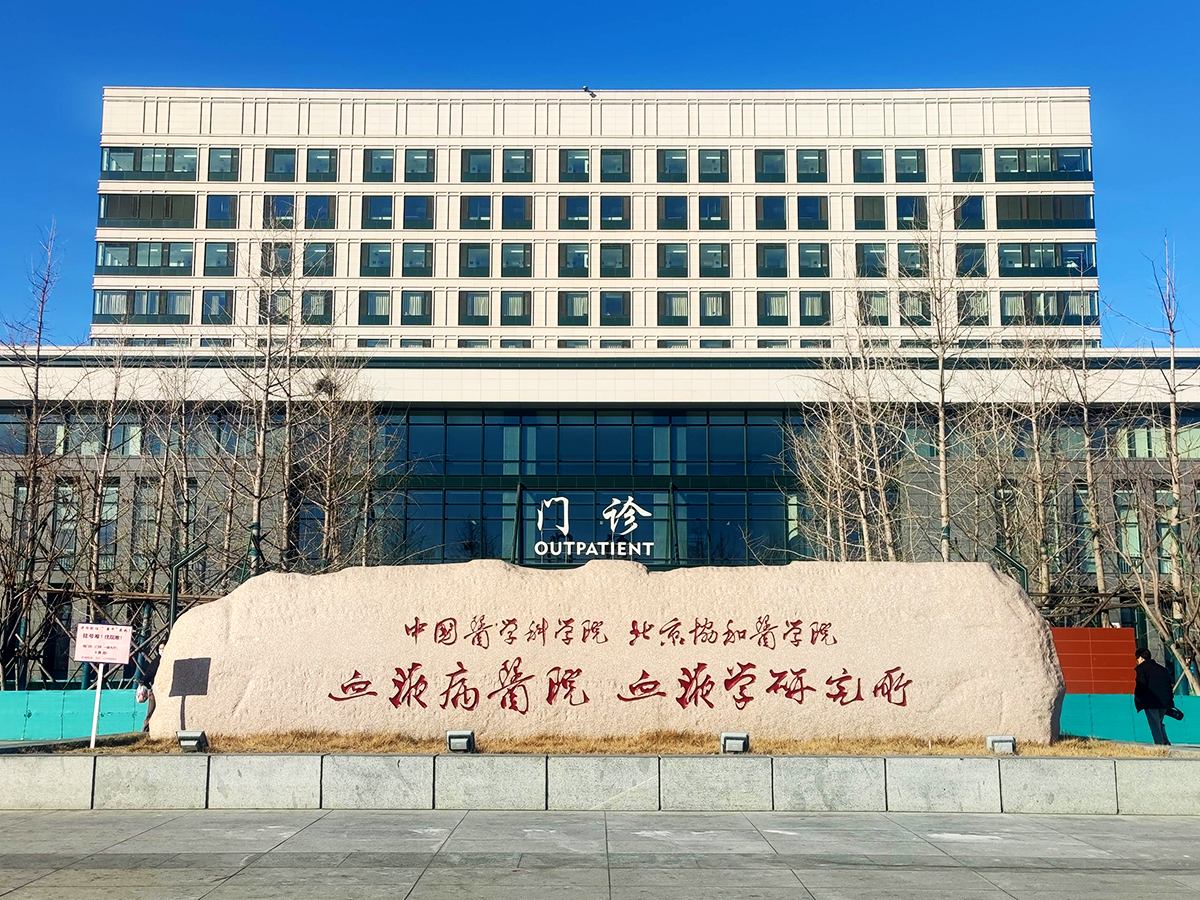
The Institute of Hematology, Chinese Academy of Medical Sciences (CAS) was founded in 1957 by Professor Deng Jiadong, the founder of hematology in China. It is the only Grade III Class A specialized hematology hospital in China, and the affiliated unit of the National Clinical Research Center for Hematologic Diseases and the State Key Laboratory of Experimental Hematology. The hospital is structured around 12 clinical treatment centers organized by disease and function, with leukemia precision treatment, CAR-T cell therapy, and hematopoietic stem cell transplantation as its hallmark strengths. It also boasts a complete subspecialty matrix encompassing red blood cell diseases, thrombosis and hemostasis, lymphoma, pediatric hematologic diseases, and MDS/MPN, positioning itself as the world's largest center for hematologic disease diagnosis and regenerative medicine. It has been ranked first in the China Hospital Specialty Reputation Ranking (Hematology) for eleven consecutive years and first in the China Hospital Science and Technology Evaluation Ranking (Hematology) for seven consecutive years. It is the National Clinical Research Center for Hematological Diseases, the only Grade III Class A hematology specialty hospital in China, and the world's most comprehensive hematological disease diagnosis and treatment institution in terms of subspecialties. It has established an integrated full-chain system encompassing diagnosis, treatment, transplantation, cellular immunotherapy, gene therapy, and translational research. Benchmarking against MD Anderson Cancer Center in the United States and Munich Hematology and Oncology Center in Germany, it is a leader in China in allogeneic hematopoietic stem cell transplantation, independent CAR-T cell therapy, bone marrow failure diseases, multiple myeloma, and precision diagnosis of hematological pathology.
Historical Origins and Spiritual Inheritance:
In 1957, Professor Deng Jiadong founded the Institute of Hematology, Chinese Academy of Medical Sciences. It moved to Sichuan in the 1970s and returned to Tianjin in 1982. In its early days, the institute standardized blood cell nomenclature for basic hematology work in my country. The L615 mouse was the first inbred purebred mouse strain bred by the institute, and the resulting transplantable mouse leukemia model played a significant role in the screening of anticancer drugs and the study of leukemia pathogenesis. The institute was the first to discover acute myeloid leukemia M2b, 12 years earlier than in other countries. It was also the first to conduct research on myelodysplastic syndromes (MDS), providing a scientific basis for the early diagnosis and timely treatment of leukemia.
Core business operational efficiency:
The hospital has grown from a small general hospital with 200 beds to a large specialized hematology department with 767 beds. It has also expanded from a single large hematology department to 12 clinical centers organized by disease and function, treating over 200,000 patients with complex and severe illnesses annually, 80% of whom come from all over the country. It serves as a consultation center for complex and severe cases. The Pediatric Hematology and Oncology Center has 266 beds, including 17 transplant wards, making it one of the largest pediatric hematology and oncology centers in the country. The cure rate for relapsed and refractory acute leukemia in children reached 81.5%, and the cure rate for severe aplastic anemia in children via transplantation was as high as 95.2%. In recent years, more than 200 cases of CAR-T therapy have been completed, among which the complete remission rate of extremely refractory children who have relapsed multiple times and failed multi-stage chemotherapy exceeded 90%.
Discipline Positioning and Benchmarking:
It is the affiliated unit of the National Clinical Research Center for Hematologic Diseases, the State Key Laboratory of Experimental Hematology (the only national laboratory in China engaged in basic and translational research in the field of experimental hematology), the National Stem Cell Engineering Technology Research Center, and the National Engineering Research Center for Cell Products. In 2023, it was approved to lead the establishment of the National Quality Control Center for Hematology, with Professor Wang Jianxiang serving as the center's director. Academician Cheng Tao founded the theory of "stem cell efficacy," proposed the concept of "blood ecology," formulated new strategies for blood ecology reconstruction and obtained clinical validation, established the world's largest bone marrow live cell bank and a big data center for hematologic diseases, and was selected as a "Highly Cited Scientist" and "Top 2% of Scientists Worldwide" by Clarivate Analytics.