
Acupuncture
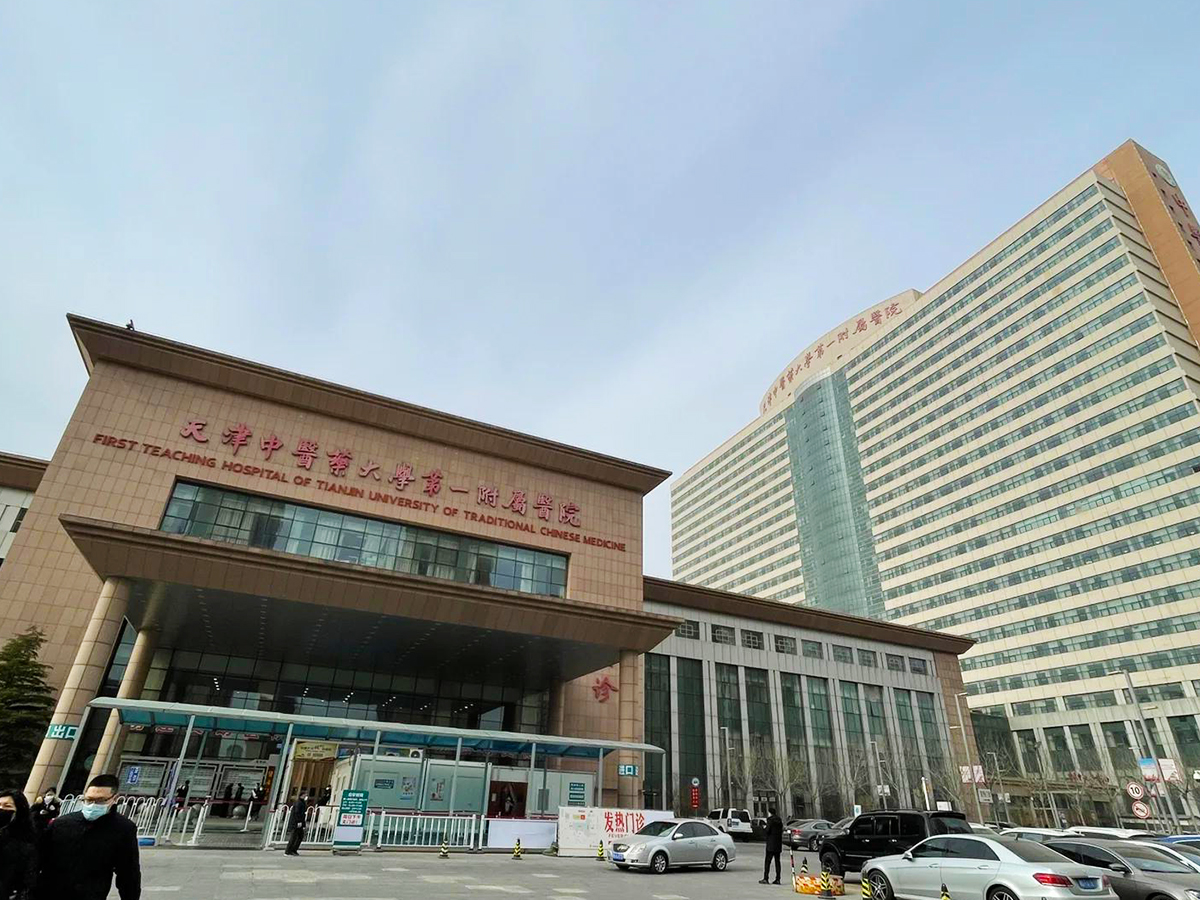
The only national clinical research center for traditional Chinese medicine acupuncture, a national key clinical specialty, and a key discipline of the Ministry of Education, it is a leading institution in acupuncture in China. With the core theories of "awakening the mind and opening the orifices" and quantitative acupuncture techniques, it has constructed an integrated system for the prevention and treatment of brain diseases, pain syndromes, cognitive impairment, and multi-system chronic diseases using acupuncture. Benchmarking against the Korean Medicine Acupuncture Center of Kyung Hee University in South Korea and the Acupuncture Department of Yueyang Hospital of Shanghai University of Traditional Chinese Medicine, its "awakening the mind and opening the orifices" acupuncture treatment for stroke, acupuncture intervention for vascular dementia, acupuncture control of hypertension, and combined acupuncture and medication treatment for neuralgia are among the best in China. The Department of Acupuncture at the First Affiliated Hospital of Tianjin University of Traditional Chinese Medicine is the National Clinical Research Center for Acupuncture and Moxibustion (approved in 2019, the only one in the country), a key discipline of the Ministry of Education, and a National Clinical Research Base for Traditional Chinese Medicine (Stroke). It is the largest clinical, research, and teaching base and international exchange center for acupuncture in China. The department's signature core technology is the "Awakening the Brain and Opening the Orifices" acupuncture method created by Academician Shi Xuemin, a master of traditional Chinese medicine. Its original academic contributions include the quantitative theory of acupuncture techniques. The department positions itself as a leading "national team" in the global development of acupuncture and a core source of standardization and internationalization in acupuncture. For three consecutive years (2021-2023), the discipline of acupuncture has ranked first in the country in the academic influence evaluation of disciplines (specialties) of traditional Chinese medicine hospitals organized by the China Association of Traditional Chinese Medicine and the China Academy of Chinese Medical Sciences.
Historical Origins and Spiritual Inheritance:
The acupuncture discipline was founded in 1954. In 1962, the first acupuncture ward in the country was established. In 1988, it was approved as the only "National Clinical Research Center for Acupuncture" in China. In 2002, it became a key discipline of the Ministry of Education. In 2008, it became a National Clinical Research Base for Traditional Chinese Medicine (Stroke). In 2019, it was approved as the only National Clinical Research Center for Acupuncture and Moxibustion in China. Academician Shi Xuemin, as the founder and academic leader of the discipline, created the "Awakening the Brain and Opening the Orifices" acupuncture method and pioneered the quantitative theory of acupuncture techniques, leading to the standardization, dosage, and normalization of acupuncture techniques. He was awarded the titles of National Master of Traditional Chinese Medicine and National Intangible Cultural Heritage Representative Inheritor of Acupuncture.
Core business operational efficiency:
The department comprises 15 inpatient wards, outpatient clinics in the north and south campuses, the Acupuncture Research Institute, and the editorial department of the *Chinese Journal of Acupuncture and Moxibustion*. It has 1,000 beds, handles over 600,000 outpatient visits annually, and discharges 18,000 inpatients annually, ranking first in the country in acupuncture clinical service capacity. It boasts one academician of the Chinese Academy of Engineering, one National Master of Traditional Chinese Medicine, one National Renowned Traditional Chinese Medicine Practitioner, five experts receiving special government allowances from the State Council, four doctoral supervisors, and 47 master's supervisors.
Discipline Positioning and Benchmarking:
It is the only National Clinical Research Center for Traditional Chinese Medicine and Acupuncture in China, a key discipline of the Ministry of Education, an innovation team under the Ministry of Education's "Changjiang Scholars and Innovation Team Development Program" (the first in the acupuncture field), and a regional TCM treatment center (acupuncture) of the State Administration of Traditional Chinese Medicine. The discipline collaborates with renowned domestic and international universities such as Tianjin University, Nankai University, the Suzhou Institute for Advanced Study at Oxford University, Charlottenburg University School of Medicine in Germany, and the University of Zurich in Switzerland on interdisciplinary innovation in acupuncture, biology, computer science, and artificial intelligence. The international acupuncture community has reached a consensus that "the world looks to China for acupuncture, and China looks to Tianjin for acupuncture."
Hospital Specialists
5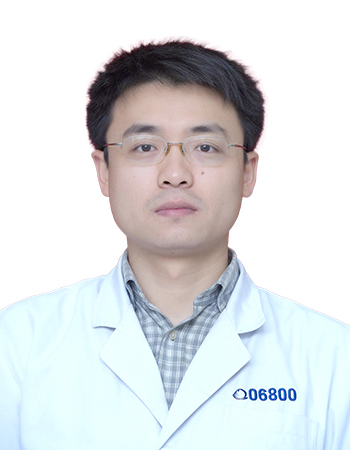 Zhang Juntao
Chief Physician, Master's Supervisor, Director of Rehabilitation Center
↗
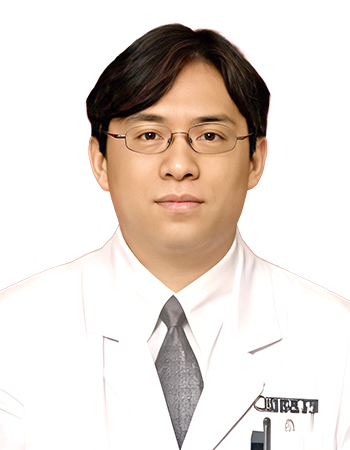 Yu Tao
Professor – Director of the Department of Integrated Rehabilitation, specializing in the integration of acupuncture and rehabilitation for stroke and cognitive impairment.
↗
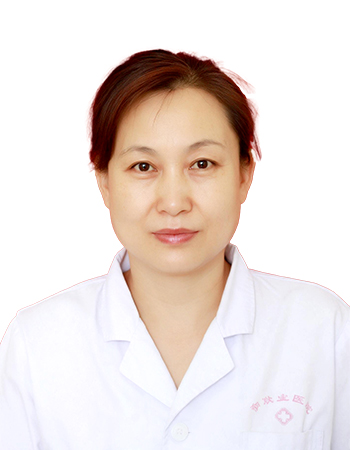 Dai Xiaoyu
Chief Physician, Master's Supervisor, Deputy Director of Rehabilitation Center
↗
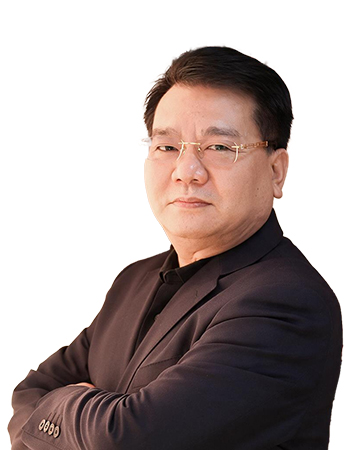 Li Ping
Chief Physician, Doctoral Supervisor, Specializing in Acupuncture for Brain Diseases
↗
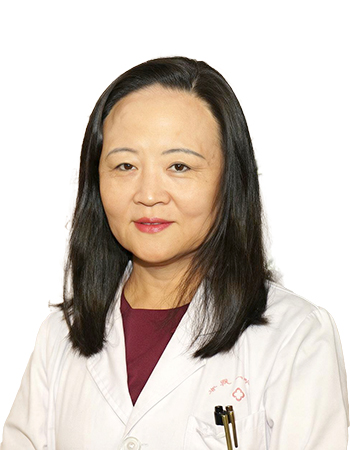 Bian Jinling
Professor – Specialist in Acupuncture and Moxibustion, specializing in cardiovascular and cerebrovascular diseases and peripheral nerve injury
↗