
Multi-organ Transplantation
Based at the Guangdong Provincial Institute of Nephrology, the Guangdong Provincial Key Clinical Specialty of Urology, and the State Key Laboratory of Organ Failure, two series of studies—a novel mechanism of BK polyomavirus pathogenesis and antibody-mediated rejection therapy in mouse transplantation—were published in top international journals in the field of organ transplantation. The institute has authored five Chinese guidelines for kidney transplantation. It has undertaken over 30 research projects, including those funded by the National Natural Science Foundation of China and the Guangdong Provincial Natural Science Foundation, and has received over 20 awards, including the Guangdong Provincial Science and Technology Award. As a regional organ transplant center in South China, it is one of the few centers in China capable of performing complex multi-organ cluster transplants.
- Historical Origins and Spiritual Inheritance: The discipline originated in the 1970s, with its predecessor being the transplant team of the Southern Hospital of the First Military Medical University, one of the earliest teams in China to carry out organ transplantation. Adhering to the military doctors' tradition of "rigorous and intensive research, saving critically ill and terminally ill patients," the Department of Kidney Transplantation was established independently in the 1990s. Starting with simple kidney transplantation, it gradually expanded to multi-organ combined transplantation, such as liver and kidney, pancreas and kidney, forming the discipline's development direction of "professional organ transplantation, combined organ transplantation features, precision transplantation medicine, and holistic transplantation nursing." In 2003, it completed the first pancreas-kidney combined transplantation in Guangdong Province, and in the same year, it completed the world's 9th liver-pancreas-duodenal combined transplantation, setting a record for elderly liver and kidney combined transplantation in Asia. It is the birthplace of multi-organ combined transplantation in South China. The discipline relies on the national key clinical specialty system for organ transplantation, possesses national-level scientific research platforms related to organ transplantation, Guangdong Province's key clinical specialty for organ transplantation, has established a transplantation immunology laboratory, and undertakes national-level projects such as the National Natural Science Foundation of China.
- Core Business Operation Efficiency: A leading hospital with full-scale qualifications for liver, kidney, pancreas, heart, lung, and small intestine transplants; a multidisciplinary team (MDT) integrated diagnosis and treatment system (transplant surgery, anesthesia, critical care, infectious diseases, immunology, and imaging); having completed over 5,000 organ transplants, ranking among the top in the country in both quantity and quality. Combined liver-kidney, combined pancreas-kidney, and combined liver-pancreas-duodenal transplants are its signature services, while transplants for family members and children are its medical specialties. The success rate of surgery and the long-term survival rate of transplanted organs have reached the world's advanced level, and the medical influence has radiated to the central and southern regions of China, Hong Kong, Macao and Taiwan, and Southeast Asian countries; the perioperative mortality rate and long-term survival rate of grafts have reached the international advanced level; and a complete chain system has been established for organ procurement and preparation, transplantation surgery, individualized management of immunosuppression, and long-term follow-up.
- Discipline Positioning, Core Advantages, and National/Global Benchmarks: A regional organ transplant center in South China, and one of the few centers in China capable of performing complex multi-organ cluster transplants. Core Advantages: Multi-organ transplantation, transplant immune rejection mechanisms, BK virus-related transplant kidney disease, and transplantation for elderly/diabetic end-stage renal disease. Domestically, it benchmarks itself against the transplant centers of Tongji University, Sun Yat-sen University, and the First Affiliated Hospital of Zhejiang University; its basic research on complex multi-organ cluster transplantation and antibody-mediated rejection (AMR) has reached international standards, and it has spearheaded the development of domestic kidney transplantation treatment guidelines.
Hospital Specialists
8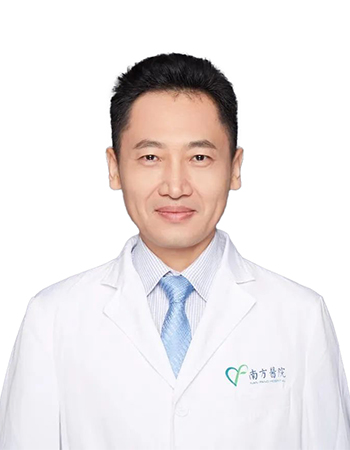 Feng Chuanbo
Professor, doctoral supervisor, residing in Switzerland
↗
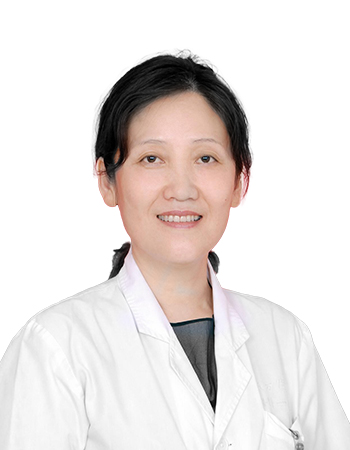 Feng Ru
Professor, Chief Physician, Doctoral Supervisor, Deputy Director of Department, Head of Lymphoma Subspecialty
↗
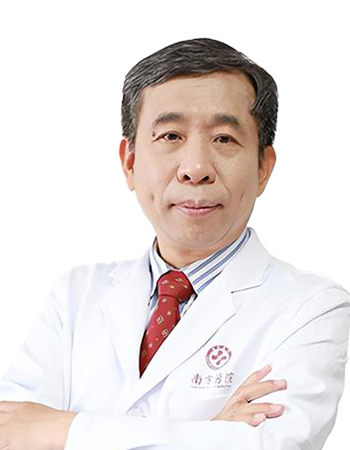 Sun Jing
Professor, Chief Physician, Doctoral Supervisor, Deputy Director of Department, Director of Hemophilia Center
↗
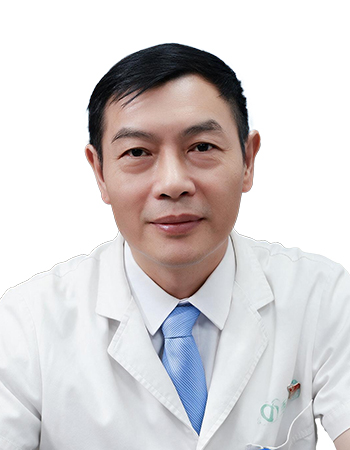 Jiang Ping
Professor, Doctoral Supervisor
↗
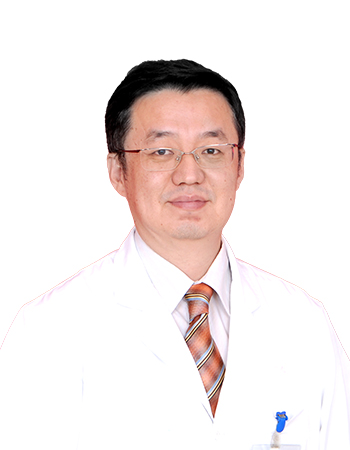 Hou Jinlin
Director of the Department of Infectious Diseases and Director of the Guangdong Provincial Institute of Liver Diseases
↗
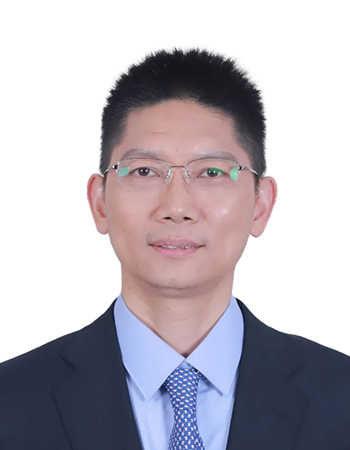 Sun Jian
Deputy Director of the Department of Infectious Diseases, Doctoral Supervisor
↗
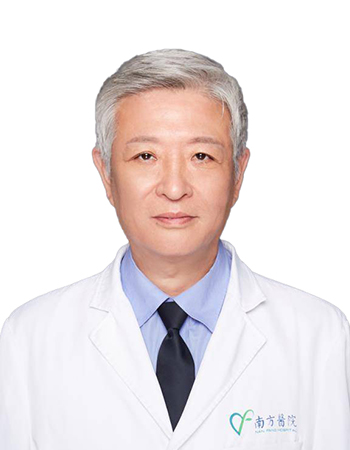 Zhang Lixian
Associate Chief Physician, Associate Professor, with over 30 years of experience in the profession
↗
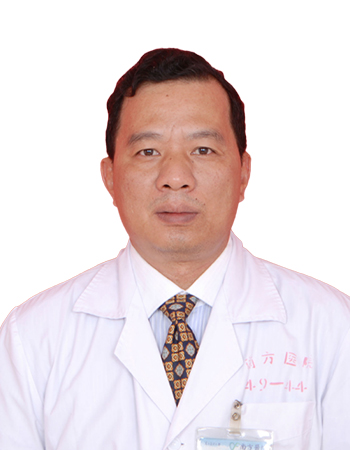 Liu Qifa
Level 2 Professor, Chief Physician, Doctoral Supervisor, Academic Leader, Director of the Institute of Hematology
↗